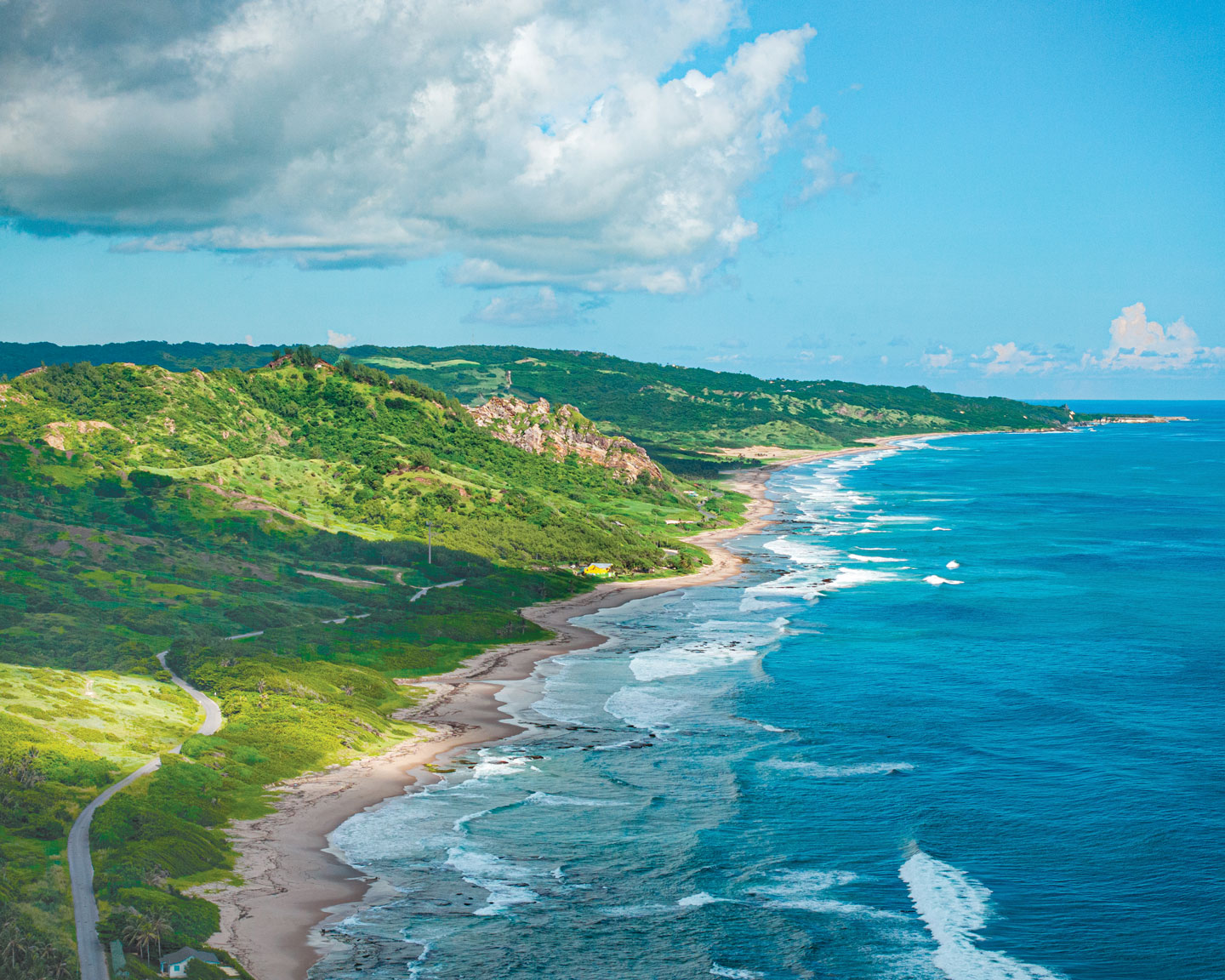
Barbados is known for its stunning beaches and turquoise waters. But there’s a lot more beyond the shoreline and first impressions. A natural coral stone island, the geology, formed over millions of years, has given way to a dramatic landscape of cliffs meeting crashing waves, lush hidden gullies, ancient forests and undulating valleys juxtaposed by imposing hillsides. All of this is home to a plethora of precious flora and fauna. The land, and the water surrounding it, are our life and livelihood, and must be protected and preserved.
Barbados is at the forefront of the Caribbean’s efforts to combat climate change and protect the environment and the island’s precious biodiversity. There is a national focus on renewable energy, coastal preservation, and waste reduction and one of the Barbados government’s bold moves – making global headlines – is its goal of becoming 100 percent reliant on renewable energy by 2030. You’ll notice that solar panels are increasingly visible across the island, and wind and hydrogen projects are also in development.

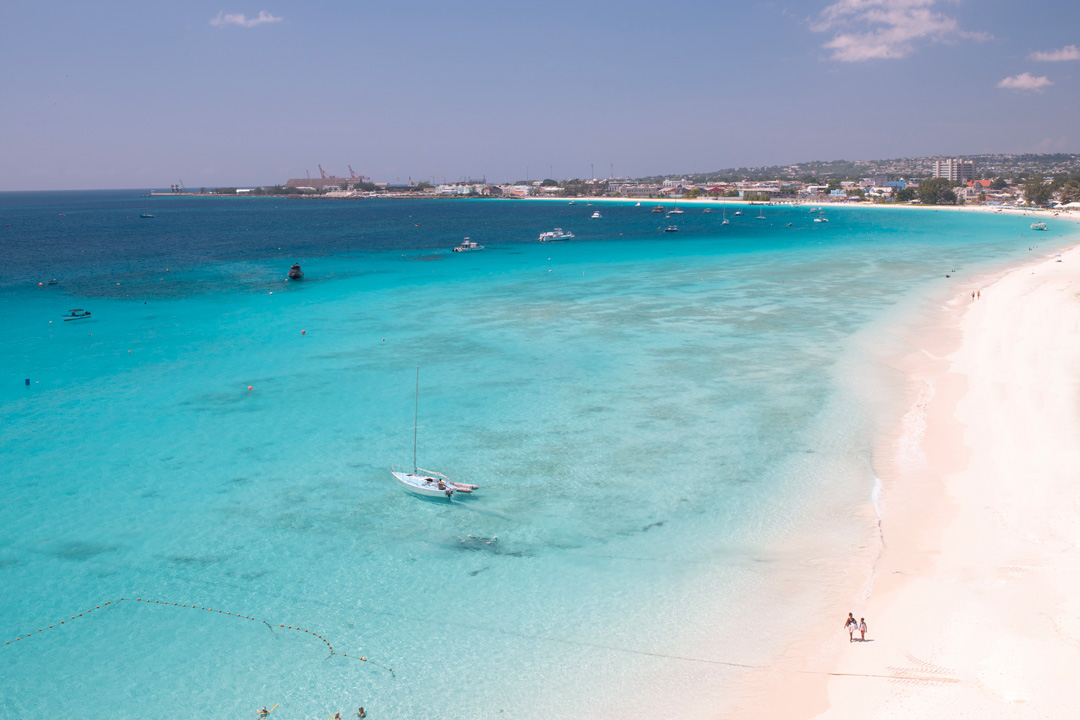
In 2018, the National Biodiversity Strategy and Action Plan (NBSAP) was launched. This initiative laid out a comprehensive framework for the protection and sustainable use of biodiversity, emphasising the interconnectedness of environmental health, climate resilience, and tourism. The NBSAP supports the establishment of terrestrial and marine protected areas, such as the recently designated Carlisle Bay Marine Park, which safeguards important seagrass beds and reef ecosystems.
Environmental protection is not new for Barbados. In fact, the roots of environmentalism here can be traced back to the 1960s and 1970s, when global awareness of environmental issues began to rise. The narrative of conservation in Barbados has been led by several pioneers, their innovative projects and the organisations they created, which have all left an indelible mark on the landscape and influenced the journey we’re on.
The establishment of the Barbados National Trust in 1961 was a milestone in the island’s conservation journey. The organisation took early steps to protect and preserve the island’s historic sites, gardens, and natural spaces, ensuring that Barbados' unique flora and fauna were not lost amidst rapid development. Many of the beautiful historic and natural sites that visitors enjoy today are accessible to the public because of the Trust’s work.
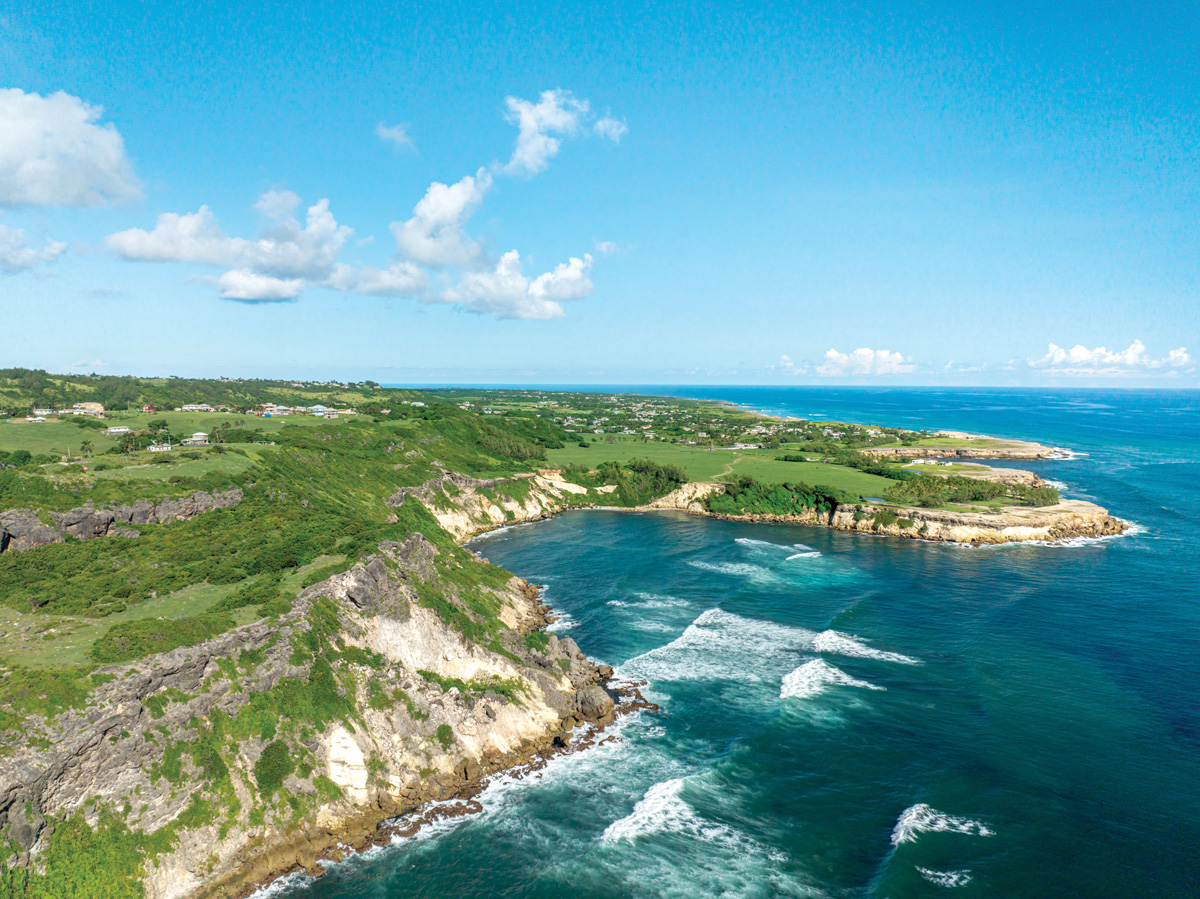
Although we are one of the most highly-populated (per capita) and road-dense countries in the world, Barbados has a surprising variety of natural spaces; picturesque stretches of undeveloped coastline, acres of densely wooded gullies and lush tracks of inland forest over the highlands.
As an example, Turners Hall Wood is a 74 acre stretch of pre-settlement vegetation, preserved by successive owners under the watchful eye of the ancient vestry system and succesive governments since the seventeenth century. It has over 100 species of flowering plants, nearly all native species, and is a refuge for migratory and resident birds.
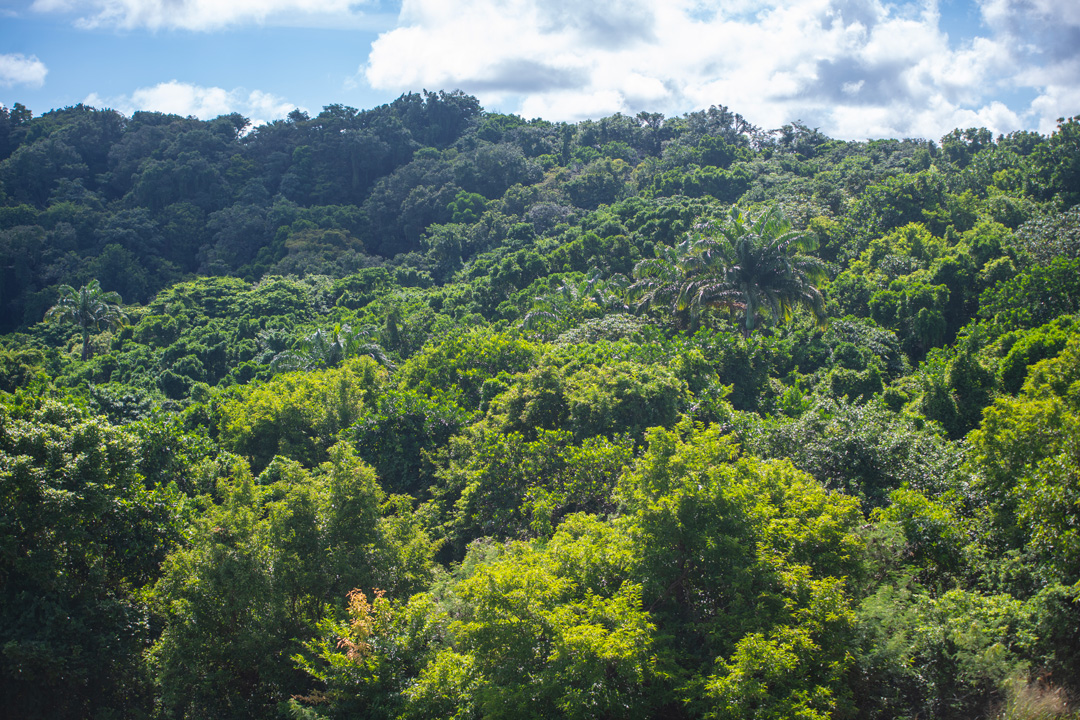
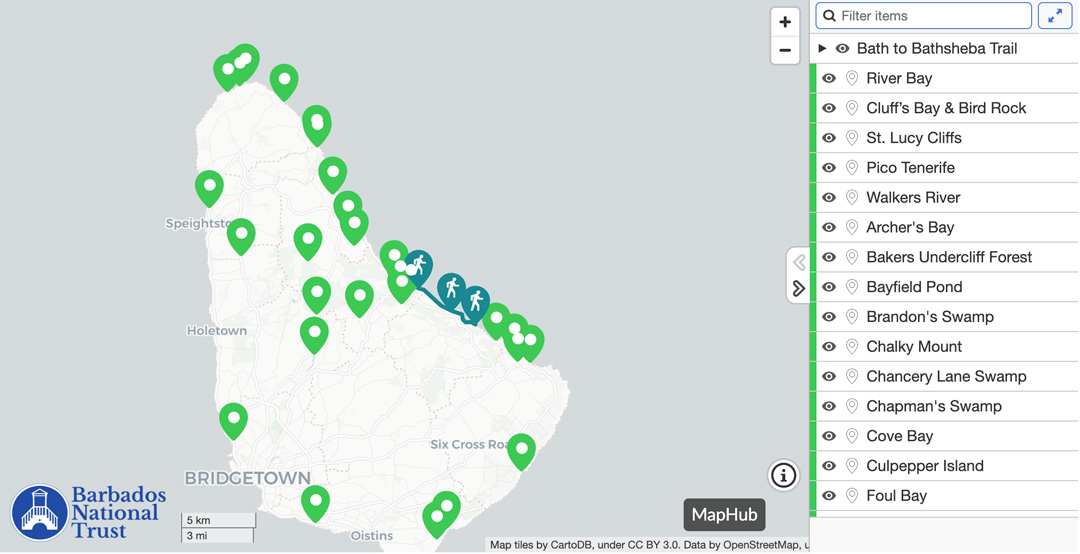
The Barbados National Trust’s website has a section devoted to the island’s natural heritage with over 30 recommended sites to visit. A great way to experience the wonderful landscapes and biodiversity of Barbados is to join an organised hike. Hike Barbados offers 2-, 4-, 6- or 8-mile scenic private hikes with experienced guides. The Barbados Hiking Association also offers hikes every Sunday as well as special bespoke hikes. Find a list all the hikes on our calendar of events page.
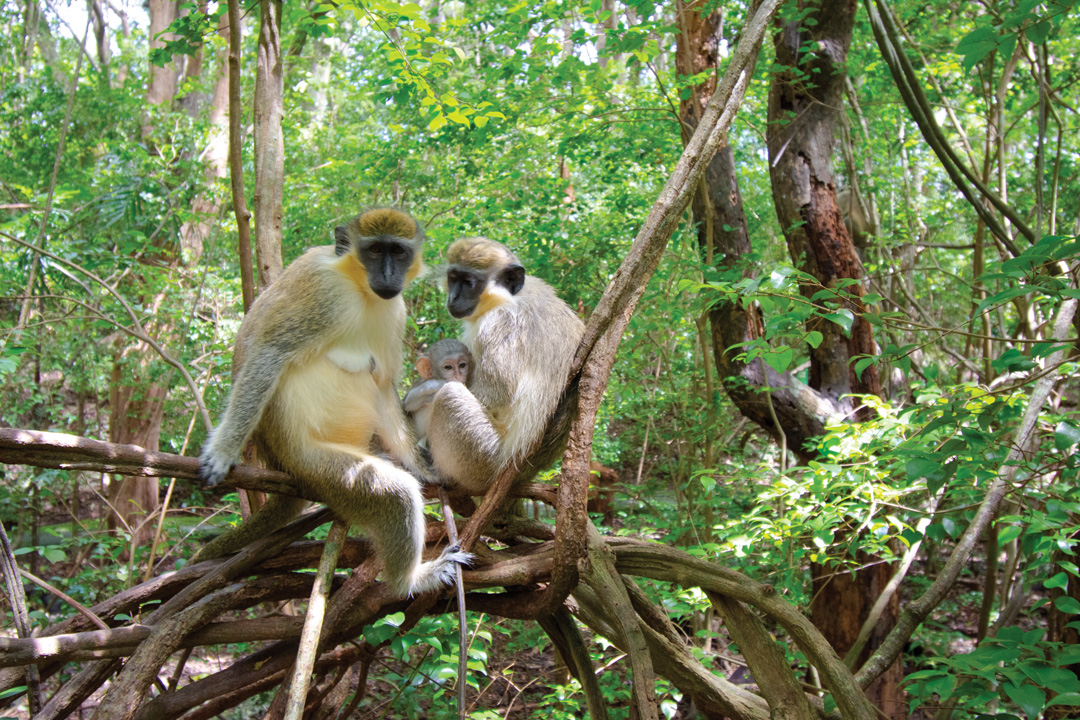
In the early 80s a brilliant environmentalist made Barbados his home – the delightful Canadian scientist and primatologist Jean Baulu. He created the Barbados Wildlife Reserve, a primate research centre and wildlife reserve, and multifaceted poster-child of conservation and problem-solving. The reserve was established with seed money from the Canadian International Development Agency. All the structures there are built with stones collected from cane fields and the roofing and furniture are made with recycled PET bottles.

Their Monkey Crop Damage Control Programme is focused on the delicate balance between man and wildlife and has dramatically reduced crop damage by the Barbados Green Monkey, while improving the lives of our local primates. The research centre has made a valuable global medical contribution. The Sabin Polio Vaccine is an attenuated live virus oral inoculant prepared through green monkey cells. One green monkey can provide up to 2.5 million doses of Polio Vaccine. The centre is responsible for up to 70% of the world's Polio Vaccine. A popular attraction, visitors of all ages enjoy wandering through the reserve and encountering the various animals roaming freely.
Another pioneer in our conservation story was Dr Colin Hudson, a British-born Barbadian environmentalist and innovative scientist, acknowledged internationally as a key developer of the modern sugar cane harvester. At the bequest of the Governor General, Dr Hudson created an exposition of affordable sustainable technologies to be showcased alongside the inaugural United Nations Conference on the Sustainable Development of Small Island Developing States (SIDS) in 1994. In the two week period for the conference, 45,000 people visited the exhibits. Hudson’s dream was to have a permanent home for the eco-farm exhibit – the Village of Hope – and this led to the creation of the Future Centre Trust at his home in Barbados, and started much of the momentum that was to follow.
Barbados’ commitment to sustainability took on new dimensions in the 1990s. Along with the Future Centre Trust, other environmental organisations started to emerge, such as the Barbados Environmental Conservation Trust.
These organisations have played a pivotal role in environmental advocacy, community engagement, and the protection of native species, such as the endangered Hawksbill and Green sea turtles, which nest on the island’s beaches.
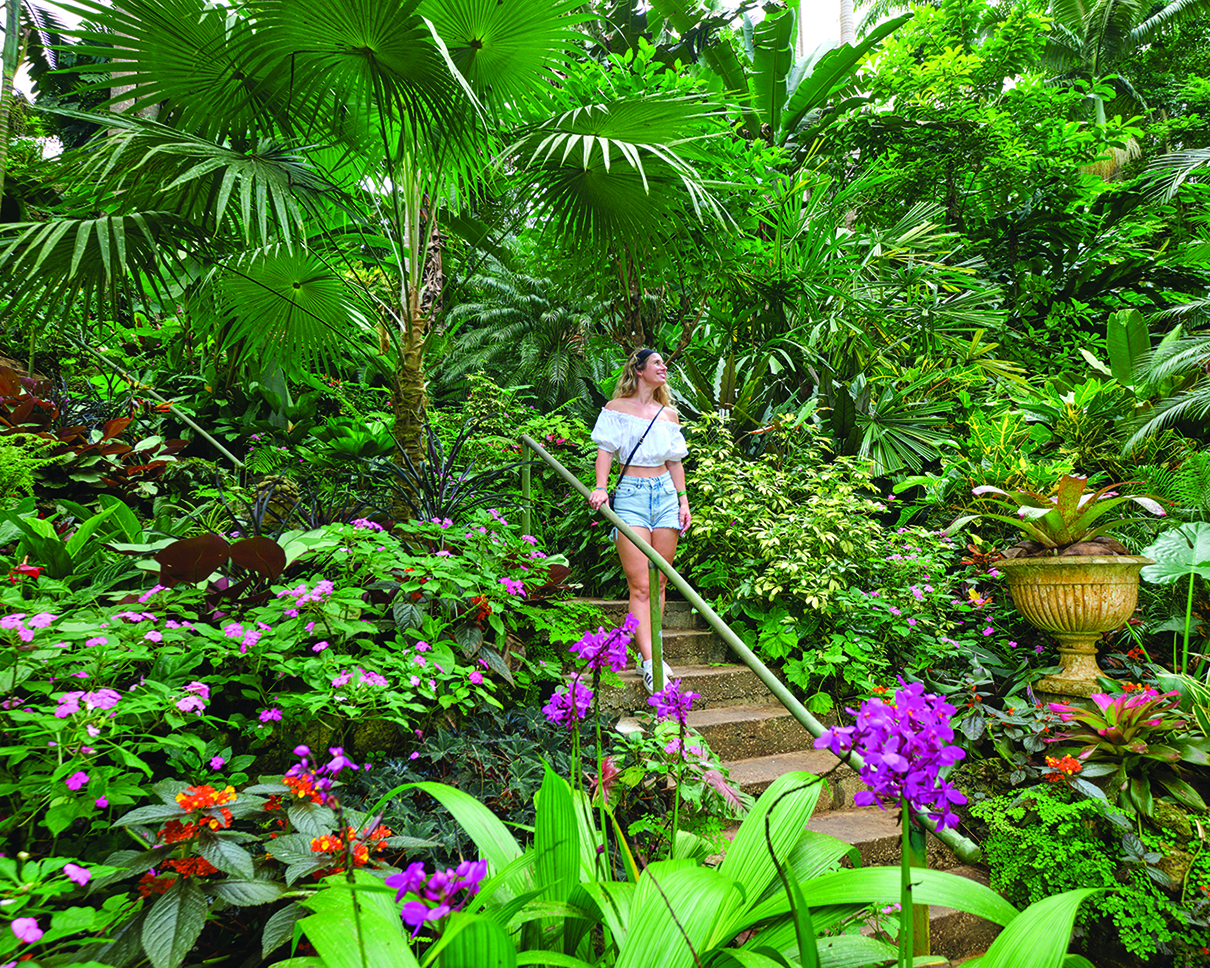
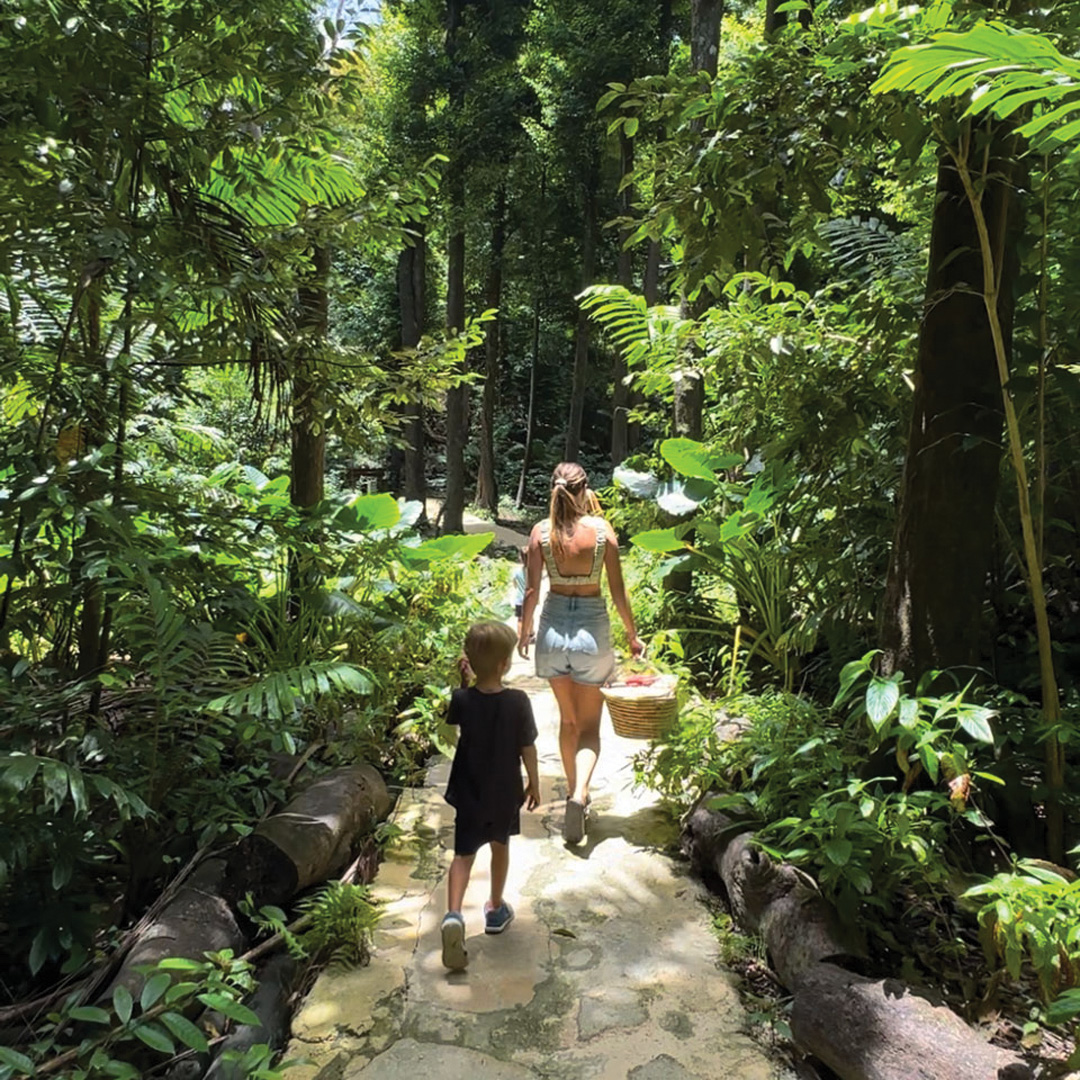
Dr Hudson’s legacy went beyond the Future Centre Trust. He inspired other initiatives and individuals across Barbados, including David Speiler, the owner of Flower Forest Botanical Gardens. The 50-acre property, formerly a sugar plantation, was redeveloped in the 1980s by a group of environmentalists. Influenced by Dr Hudson, David bought Flower Forest and has put in a tremendous amount of work with the goal of preserving the natural evergreen forest in Barbados’ highlands. Today it is a stunning tourism attraction featuring an impressive collection of flowering plants protected by the spectacular forest of Royal Palms and a host of other trees. It is also home to a sustainable agricultural project producing blooms of tropical flowers for local florists.
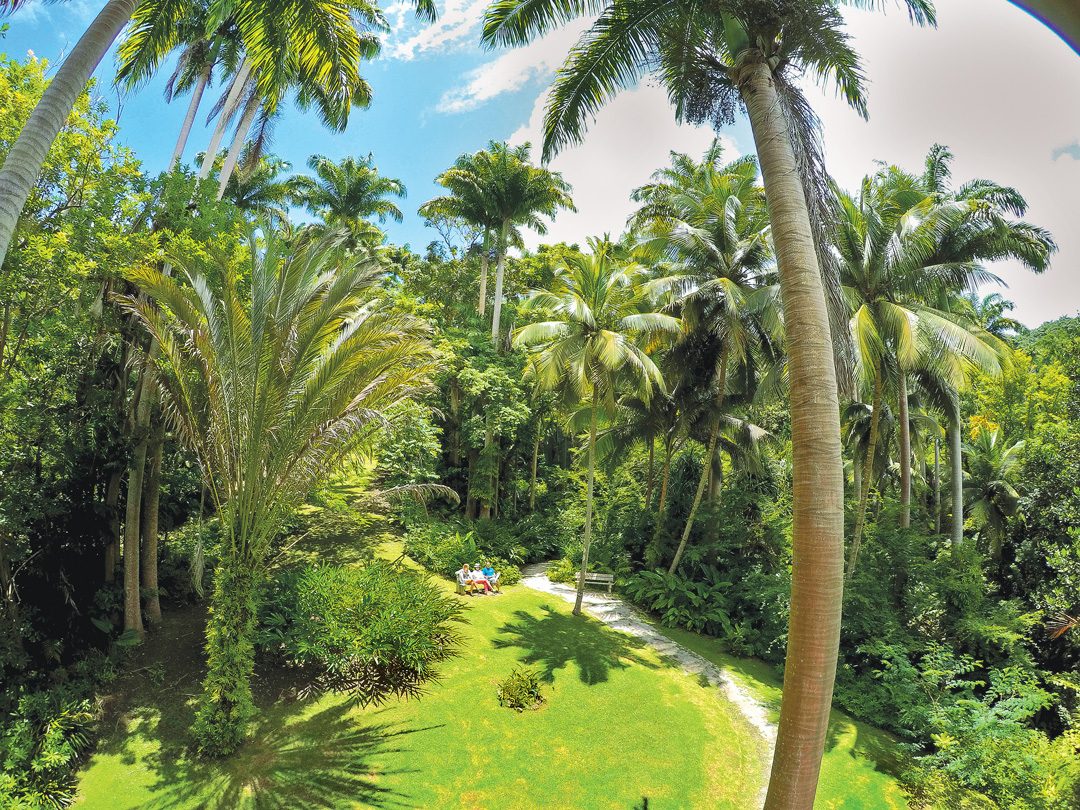
In the same area, Mahmood Patel has established the Coco Hill Forest which is both an agricultural project growing coconuts and hiking experience with several amazing trails.
Our marine environment is equally important. The Barbados Sea Turtle Project nesting beach monitoring programme is highly regarded as one of the longest running critically endangered hawksbill turtle conservation programmes in the world. In recent years, the island has implemented projects to protect coral reefs and restore coastal areas. For instance, the Coral Reef Restoration Alliance (CORALL) works to protect marine ecosystems through reef restoration and educational programmes. Barbados has several marine reserves earmarked for protection.
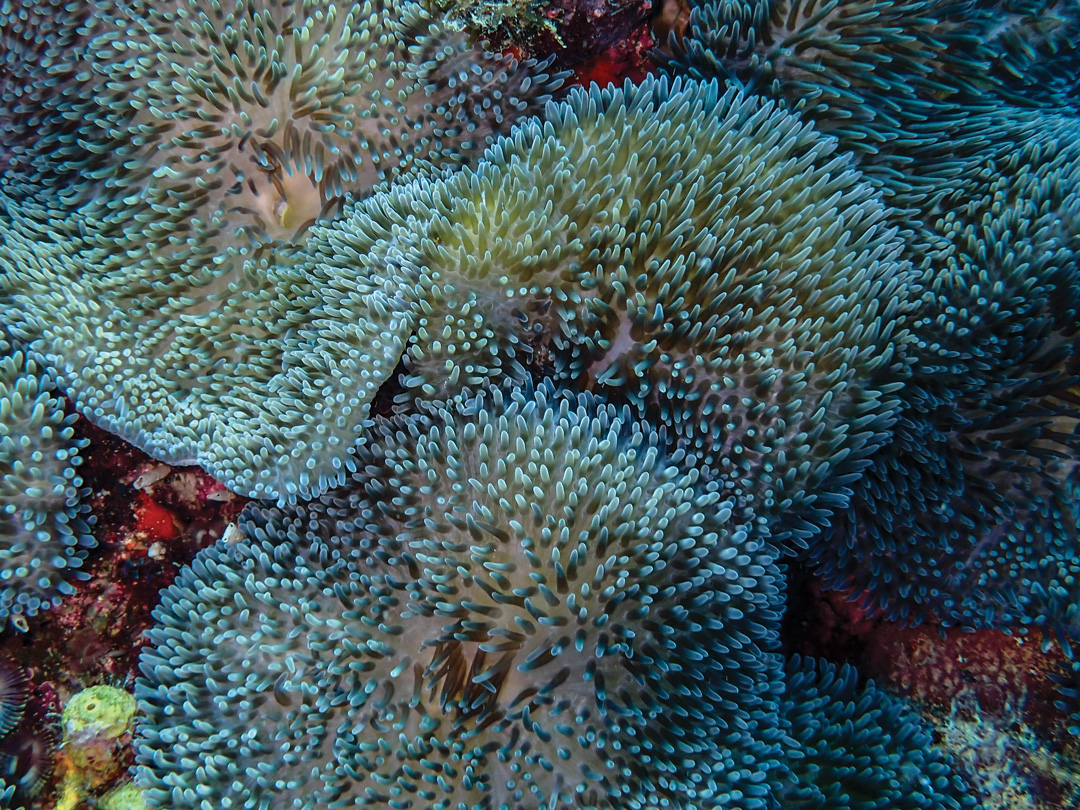
The creation of the Folkestone Marine Park in 1981 was a pioneering move to safeguard marine biodiversity. As one of the Caribbean’s earliest underwater parks, it set the standard for marine conservation by establishing no-fishing zones, protecting coral reefs, and promoting the sustainable use of marine resources. At Folkestone you can learn about marine conservation at the small museum. It’s great for kids and includes aquariums, displays and even a whale skeleton. The National Conservation Commission website has an interesting page about preserving marine life in Barbados. Subsequently the protected marine spaces in Barbados have been expanded, for instance with the addition of Carlisle Bay Marine Park, home to several sunken wrecks which are wonderful to explore snorkeling.
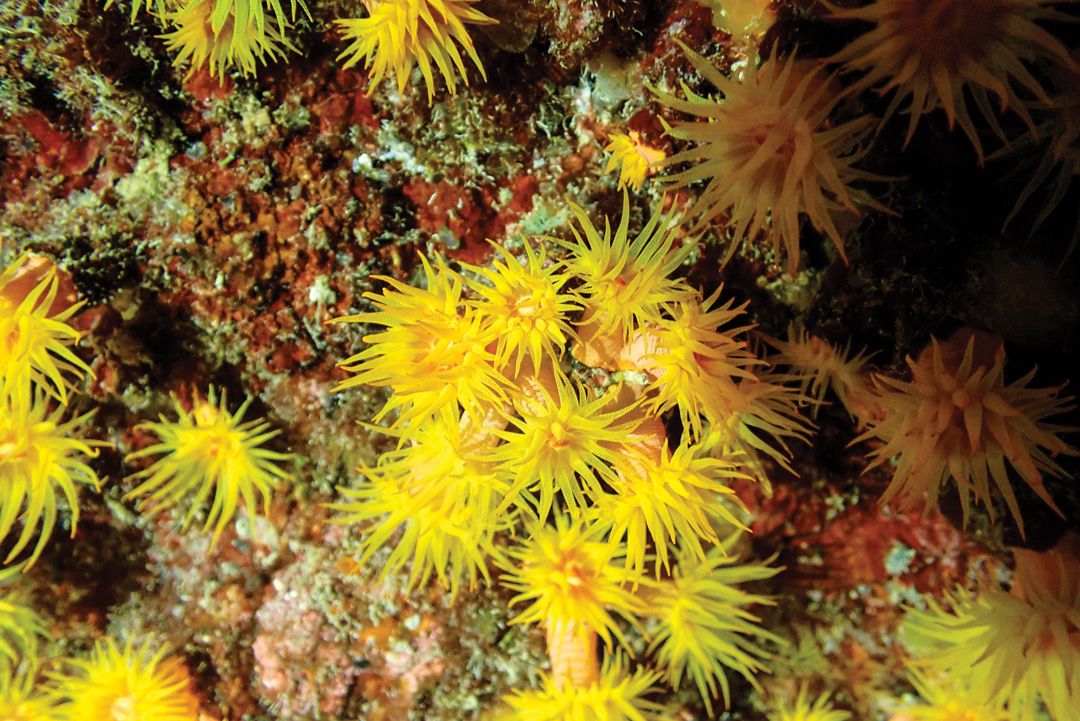
Fast forward to today and Ian McNeel is making huge strides in the rejuvenation of historic coastal sand mines in St Andrew. What was once Walkers Sand Quarry that provided valuable aggregate to Barbados' construction industry, is being transformed into Walkers Reserve – a living laboratory for climate resilience. The Walkers Institute for Regenerative Research Education and Design (WIRRED) is the non-profit and charitable organisation responsible for stewarding this transformation. Their focus is on environmental conservation, increasing biodiversity and creating a scalable model for climate change adaptation and mitigation; alongside engaging the community, building awareness and creating opportunities for sustainable livelihoods. The reserve offers coastal nature walks, birding and bee experiences and educational tours. Their market held on the last Sunday of each month is recommended.
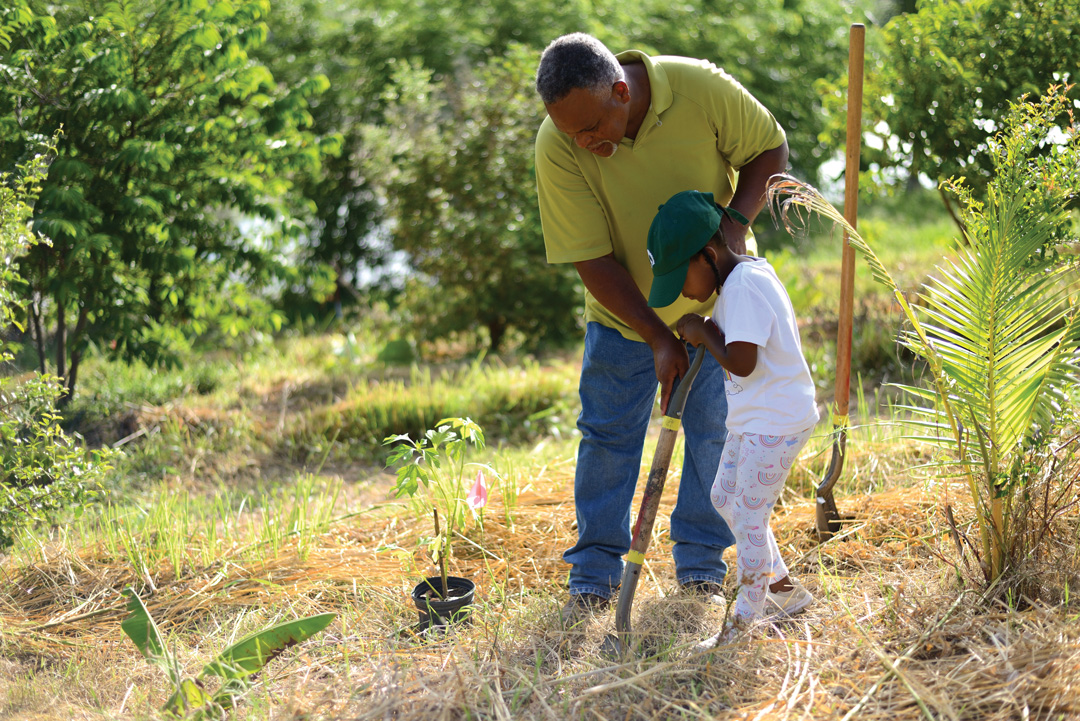
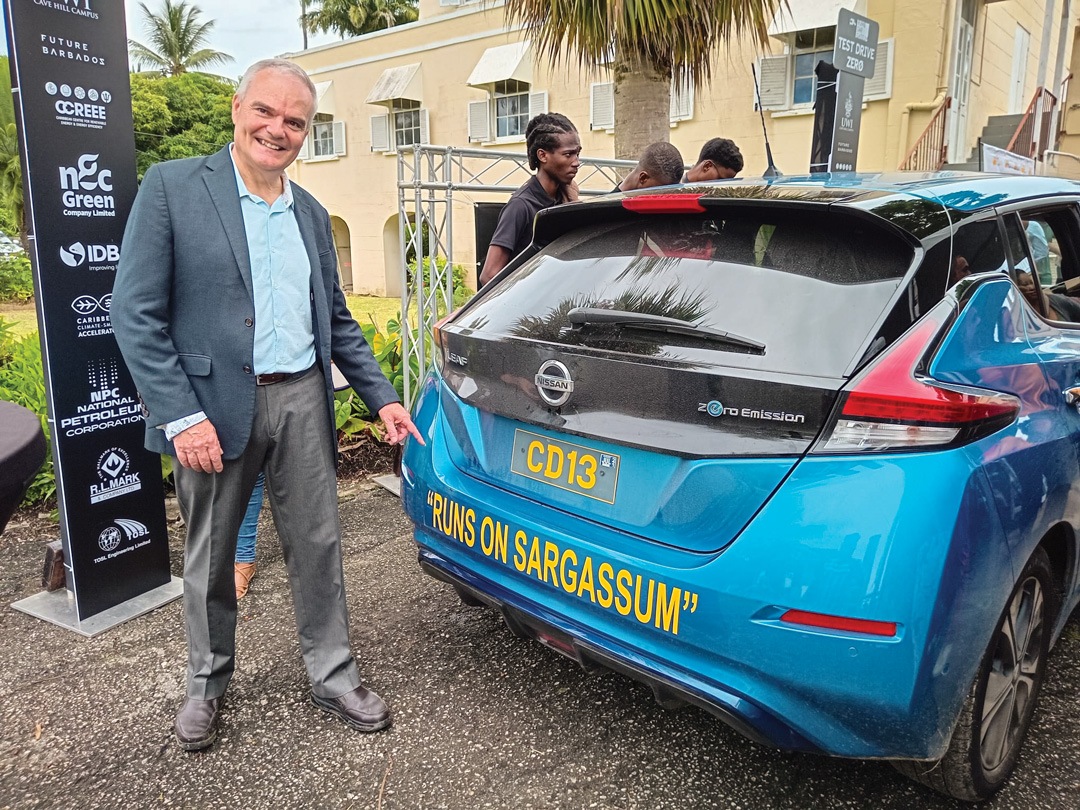
The University of the West Indies Cave Hill Campus, continues to play a key role in championing conservation and environmentalism in Barbados and throughout the region through its research, academic programmes, and partnerships. Most recently their scientists collaborated with Rum and Sargassum Inc. and Supernova Lab of Future Barbados to launch the world’s first vehicle powered by renewable natural gas (RNG) from Sargassum seaweed, rum distillery wastewater and Blackbelly sheep manure.
And a Barbadian spearheading scientific research and innovation is Cardinal Warde, a distinguished professor of electrical engineering at the Massachusetts Institute of Technology (MIT). He is the founder and president of the Caribbean Science Foundation (CSF). Through this foundation, he promotes research and innovation that address critical environmental challenges such as climate change adaptation, water scarcity, and energy sustainability. The CSF’s programmes, like the Science, Technology, Engineering and Mathematics (STEM) education initiatives, inspire and equip future generations of Caribbean scientists and engineers to develop sustainable solutions for environmental conservation.
For visitors to Barbados, the island offers much more than its natural beauty – it tells a story of a community that values and protects its environment and is proactively working towards innovative future-focused solutions for our planet. Whether exploring the Andromeda Botanic Gardens or snorkeling in the Folkestone Marine Park, you are all invited to witness firsthand the island’s deep-rooted commitment to environmental sustainability and the preservation of our unique biodiversity.